Dog Games Online Definition
Source(Google.com.pk)
"The most widespread form of interspecies bonding occurs between humans and dogs"[51] and the keeping of dogs as companions, particularly by elites, has a long history.[54] However, pet dog populations grew significantly after World War II as suburbanization increased.[54] In the 1950s and 1960s, dogs were kept outside more often than they tend to be today[55] (using the expression "in the doghouse" to describe exclusion from the group signifies the distance between the doghouse and the home) and were still primarily functional, acting as a guard, children's playmate, or walking companion. From the 1980s, there have been changes in the role of the pet dog, such as the increased role of dogs in the emotional support of their owners.[56] People and dogs have become increasingly integrated and implicated in each other's lives,[57] to the point where pet dogs actively shape the way a family and home are experienced.[58]
There have been two major trends in the changing status of pet dogs. The first has been the 'commodification' of the dog, shaping it to conform to human expectations of personality and behaviour.[58] The second has been the broadening of the concept of the family and the home to include dogs-as-dogs within everyday routines and practices.[58]
There are a vast range of commodity forms available to transform a pet dog into an ideal companion.[59] The list of goods, services and places available is enormous: from dog perfumes, couture, furniture and housing, to dog groomers, therapists, trainers and care-takers, dog cafes, spas, parks and beaches, and dog hotels, airlines and cemeteries.[59] While dog training as an organized activity can be traced back to the 18th century, in the last decades of the 20th century it became a high profile issue as many normal dog behaviors such as barking, jumping up, digging, rolling in dung, fighting, and urine marking[further explanation needed] became increasingly incompatible with the new role of a pet dog.[60] Dog training books, classes and television programs proliferated as the process of commodifying the pet dog continued.[61]
A pet dog taking part in Christmas traditions
The majority of contemporary dog owners describe their dog as part of the family,[58] although some ambivalence about the relationship is evident in the popular reconceptualization of the dog-human family as a pack.[58] A dominance model of dog-human relationships has been promoted by some dog trainers, such as on the television program Dog Whisperer. However it has been disputed that "trying to achieve status" is characteristic of dog–human interactions.[62] Pet dogs play an active role in family life; for example, a study of conversations in dog-human families showed how family members use the dog as a resource, talking to the dog, or talking through the dog, to mediate their interactions with each other.[63]
Another study of dogs' roles in families showed many dogs have set tasks or routines undertaken as family members, the most common of which was helping with the washing-up by licking the plates in the dishwasher, and bringing in the newspaper from the lawn.[58] Increasingly, human family members are engaging in activities centered on the perceived needs and interests of the dog, or in which the dog is an integral partner, such as Dog Dancing and Doga.[59]
According to the statistics published by the American Pet Products Manufacturers Association in the National Pet Owner Survey in 2009–2010, it is estimated there are 77.5 million dog owners in the United States.[64] The same survey shows nearly 40% of American households own at least one dog, of which 67% own just one dog, 25% two dogs and nearly 9% more than two dogs. There does not seem to be any gender preference among dogs as pets, as the statistical data reveal an equal number of female and male dog pets. Yet, although several programs are undergoing to promote pet adoption, less than a fifth of the owned dogs come from a shelter.
Work
Dogs have lived and worked with humans in so many roles that they have earned the unique nickname, "man's best friend",[65] a phrase used in other languages as well. They have been bred for herding livestock,[66] hunting (e.g. pointers and hounds),[67] rodent control,[3] guarding, helping fishermen with nets, detection dogs, and pulling loads, in addition to their roles as companions.[3]
Book of the Hunt, Gaston III, Count of Foix, 1387–88.
Service dogs such as guide dogs, utility dogs, assistance dogs, hearing dogs, and psychological therapy dogs provide assistance to individuals with physical or mental disabilities.[68][69] Some dogs owned by epileptics have been shown to alert their handler when the handler shows signs of an impending seizure, sometimes well in advance of onset, allowing the owner to seek safety, medication, or medical care.[70]
Dogs included in human activities in terms of helping out humans are usually called working dogs. Dogs of several breeds are considered working dogs. Some working dog breeds include Akita, Alaskan Malamute, Anatolian Shepherd Dog, Bernese Mountain Dog, Black Russian Terrier, Boxer, Bullmastiff, Doberman Pinscher, Dogue de Bordeaux, German Pinscher, German Shepherd,[71] Giant Schnauzer, Great Dane, Great Pyrenees, Great Swiss Mountain Dog, Komondor, Kuvasz, Mastiff, Neapolitan Mastiff, Newfoundland, Portuguese Water Dog, Rottweiler, Saint Bernard, Samoyed, Siberian Husky, Standard Schnauzer, and Tibetan Mastiff.
Sports and shows
See also: Conformation show
Owners of dogs often enter them in competitions[72] such as breed conformation shows or sports, including racing, sledding and agility competitions.
In conformation shows, also referred to as breed shows, a judge familiar with the specific dog breed evaluates individual purebred dogs for conformity with their established breed type as described in the breed standard. As the breed standard only deals with the externally observable qualities of the dog (such as appearance, movement, and temperament), separately tested qualities (such as ability or health) are not part of the judging in conformation shows.
As a food source
Main article: Dog meat
Gaegogi (dog meat) stew being served in a Korean restaurant
Dog meat is consumed in some East Asian countries, including Korea, China, and Vietnam, a practice that dates back to antiquity.[73] It is estimated that 13–16 million dogs are killed and consumed in Asia every year.[74] The BBC claims that, in 1999, more than 6,000 restaurants served soups made from dog meat in South Korea.[75] In Korea, the primary dog breed raised for meat, the nureongi (누렁이), differs from those breeds raised for pets that Koreans may keep in their homes.[76]
The most popular Korean dog dish is gaejang-guk (also called bosintang), a spicy stew meant to balance the body's heat during the summer months; followers of the custom claim this is done to ensure good health by balancing one's gi, or vital energy of the body. A 19th century version of gaejang-guk explains that the dish is prepared by boiling dog meat with scallions and chili powder. Variations of the dish contain chicken and bamboo shoots. While the dishes are still popular in Korea with a segment of the population, dog is not as widely consumed as beef, chicken, and pork.[77]
A CNN report in China dated March 2010 includes an interview with a dog meat vendor who stated that most of the dogs that are available for selling to restaurants are raised in special farms but that there is always a chance that a sold dog is someone's lost pet, although dog pet breeds are not considered edible.[78]
Other cultures, such as Polynesia and pre-Columbian Mexico, also consumed dog meat in their history. However, Western, South Asian, African, and Middle Eastern cultures, in general, regard consumption of dog meat as taboo. In some places, however, such as in rural areas of Poland, dog fat is believed to have medicinal properties—being good for the lungs for instance.[79] Dog meat is also consumed in some parts of Switzerland.[80]
Health risks to humans
Main article: Dog attack
Pet waste station at a government building.
It is estimated that 4.7 million people are bitten by dogs each year.[81] In the 1980s and 1990s the US averaged 17 fatalities per year, while in the 2000s this has increased to 26.[82] 77% of dog bites are from the pet of family or friends, and 50% of attacks occur on the dog owner's property.[82]
A Colorado study found bites in children were less severe than bites in adults.[83] The incidence of dog bites in the US is 12.9 per 10,000 inhabitants, but for boys aged 5 to 9, the incidence rate is 60.7 per 10,000. Moreover, children have a much higher chance to be bitten in the face or neck.[84] Sharp claws with powerful muscles behind them can lacerate flesh in a scratch that can lead to serious infections.[85]
In the UK between 2003 and 2004, there were 5,868 dog attacks on humans, resulting in 5,770 working days lost in sick leave.[86]
In the United States, cats and dogs are a factor in more than 86,000 falls each year.[87] It has been estimated around 2% of dog-related injuries treated in UK hospitals are domestic accidents. The same study found that while dog involvement in road traffic accidents was difficult to quantify, dog-associated road accidents involving injury more commonly involved two-wheeled vehicles.[88]
Toxocara canis (dog roundworm) eggs in dog feces can cause toxocariasis. In the United States, about 10,000 cases of Toxocara infection are reported in humans each year, and almost 14% of the U.S. population is infected.[89] In Great Britain, 24% of soil samples taken from public parks contained T. canis eggs.[90] Untreated toxocariasis can cause retinal damage and decreased vision.[90] Dog feces can also contain hookworms that cause cutaneous larva migrans in humans.[91][92][93][94]
Health benefits for humans
A human cuddles a Doberman puppy.
The scientific evidence is mixed as to whether companionship of a dog can enhance human physical health and psychological wellbeing.[95] Studies suggesting that there are benefits to physical heath and psychological wellbeing[96] have been criticised for being poorly controlled,[97] and finding that "[t]he health of elderly people is related to their health habits and social supports but not to their ownership of, or attachment to, a companion animal." Earlier studies do show that dog and cat owners have been shown to have better mental and physical health than nonowners, making fewer visits to the doctor and being less likely to be on medication than nonowners.[98]
A 2005 paper states "recent research has failed to support earlier findings that pet ownership is associated with a reduced risk of cardiovascular disease, a reduced use of general practitioner services, or any psychological or physical benefits on health for community dwelling older people. Research has, however, pointed to significantly less absenteeism from school through sickness among children who live with pets."[95] In one study, new pet owners reported a highly significant reduction in minor health problems during the first month following pet acquisition, and this effect was sustained in dog owners through to the end of the study.[99]
In addition, dog owners took considerably more physical exercise than cat owners and people without pets. The group without pets exhibited no statistically significant changes in health or behaviour. The results provide evidence that pet acquisition may have positive effects on human health and behaviour, and that for dog owners these effects are relatively long term.[99] Pet ownership has also been associated with increased coronary artery disease survival, with dog owners being significantly less likely to die within one year of an acute myocardial infarction than those who did not own dogs.[100]
Gunnar Kaasen and Balto, the lead dog on the last relay team of the 1925 serum run to Nome.
The health benefits of dogs can result from contact with dogs, not just from dog ownership. For example, when in the presence of a pet dog, people show reductions in cardiovascular, behavioral, and psychological indicators of anxiety.[101] Other health benefits are gained from exposure to immune-stimulating microorganisms, which, according to the hygiene hypothesis, can protect against allergies and autoimmune diseases. The benefits of contact with a dog also include social support, as dogs are able to not only provide companionship and social support themselves, but also to act as facilitators of social interactions between humans.[102] One study indicated that wheelchair users experience more positive social interactions with strangers when they are accompanied by a dog than when they are not.[103]
The practice of using dogs and other animals as a part of therapy dates back to the late 18th century, when animals were introduced into mental institutions to help socialize patients with mental disorders.[104] Animal-assisted intervention research has shown that animal-assisted therapy with a dog can increase a person with Alzheimer's disease's social behaviours, such as smiling and laughing.[105] One study demonstrated that children with ADHD and conduct disorders who participated in an education program with dogs and other animals showed increased attendance, increased knowledge and skill objectives, and decreased antisocial and violent behavior compared to those who were not in an animal-assisted program.[106]
Shelters
Main article: Animal shelter
Every year, between 6 and 8 million dogs and cats enter US animal shelters.[107] The Humane Society of the United States (HSUS) estimates that approximately 3 to 4 million of those dogs and cats are euthanized yearly in the United States.[108] However, the percentage of dogs in US animal shelters that are eventually adopted and removed from the shelters by their new owners has increased since the mid-1990s from around 25% to a 2012 average of 40% among reporting shelters[109] (and many shelters reporting 60–75%).[110]
Biology
Main article: Dog anatomy
Lateral view of a dog's bone structure.
Domestic dogs have been selectively bred for millennia for various behaviors, sensory capabilities, and physical attributes.[3] Modern dog breeds show more variation in size, appearance, and behavior than any other domestic animal. Nevertheless, their morphology is based on that of their wild ancestors, gray wolves.[3] Dogs are predators and scavengers, and like many other predatory mammals, the dog has powerful muscles, fused wrist bones, a cardiovascular system that supports both sprinting and endurance, and teeth for catching and tearing.
Dogs are highly variable in height and weight. The smallest known adult dog was a Yorkshire Terrier, that stood only 6.3 cm (2.5 in) at the shoulder, 9.5 cm (3.7 in) in length along the head-and-body, and weighed only 113 grams (4.0 oz). The largest known dog was an English Mastiff which weighed 155.6 kg (343 lb) and was 250 cm (98 in) from the snout to the tail.[111] The tallest dog is a Great Dane that stands 106.7 cm (42.0 in) at the shoulder.[112]
Senses
This article may be expanded with text translated from the corresponding article in the German Wikipedia. (March 2013)
Click [show] on the right to read important instructions before translating.[show]
Vision
Dog's visual colour perception compared with humans.
Like most mammals, dogs are dichromats and have color vision equivalent to red-green color blindness in humans (deuteranopia).[113][114][115][116] Dogs are less sensitive to differences in grey shades than humans and also can detect brightness at about half the accuracy of humans.[117]
The dog's visual system has evolved to aid proficient hunting.[113] While a dog's visual acuity is poor (that of a poodle's has been estimated to translate to a Snellen rating of 20/75[113]), their visual discrimination for moving objects is very high; dogs have been shown to be able to discriminate between humans (e.g., identifying their owner) at a range of between 800 and 900 m, however this range decreases to 500–600 m if the object is stationary.[113]
Dogs have a temporal resolution of between 60 and 70 Hz, which explains why many dogs struggle to watch television, as most such modern screens are optimized for humans at 50–60 Hz.[117] Dogs can detect a change in movement that exists in a single diopter of space within their eye. Humans, by comparison, require a change of between 10 and 20 diopters to detect movement.[118][119]
The physiology of a dog ear.
As crepuscular hunters, dogs often rely on their vision in low light situations: They have very large pupils, a high density of rods in the fovea, an increased flicker rate, and a tapetum lucidum.[113] The tapetum is a reflective surface behind the retina that reflects light to give the photoreceptors a second chance to catch the photons. There is also a relationship between body size and overall diameter of the eye. A range of 9.5 and 11.6 mm can be found between various breeds of dogs. This 20% variance can be substantial and is associated as an adaptation toward superior night vision.[120]
The eyes of different breeds of dogs have different shapes, dimensions, and retina configurations.[121] Many long-nosed breeds have a "visual streak"—a wide foveal region that runs across the width of the retina and gives them a very wide field of excellent vision. Some long-muzzled breeds, in particular, the sighthounds, have a field of vision up to 270° (compared to 180° for humans). Short-nosed breeds, on the other hand, have an "area centralis": a central patch with up to three times the density of nerve endings as the visual streak, giving them detailed sight much more like a human's. Some broad-headed breeds with short noses have a field of vision similar to that of humans.[114][115]
Most breeds have good vision, but some show a genetic predisposition for myopia – such as Rottweilers, with which one out of every two has been found to be myopic.[113] Dogs also have a greater divergence of the eye axis than humans, enabling them to rotate their pupils farther in any direction. The divergence of the eye axis of dogs ranges from 12–25° depending on the breed.[118]
Experimentation has proven that dogs can distinguish between complex visual images such as that of a cube or a prism. Dogs also show attraction to static visual images such as the silhouette of a dog on a screen, their own reflections, or videos of dogs; however, their interest declines sharply once they are unable to make social contact with the image.[122]
Hearing
Transformation of the ears of a huskamute puppy in 6 days
The frequency range of dog hearing is approximately 40 Hz to 60,000 Hz,[123] which means that dogs can detect sounds far beyond the upper limit of the human auditory spectrum.[115][123][124] In addition, dogs have ear mobility, which allows them to rapidly pinpoint the exact location of a sound.[125] Eighteen or more muscles can tilt, rotate, raise, or lower a dog's ear. A dog can identify a sound's location much faster than a human can, as well as hear sounds at four times the distance.[125]
Smell
The wet, textured nose of a dog
While the human brain is dominated by a large visual cortex, the dog brain is dominated by an olfactory cortex.[113] The olfactory bulb in dogs is roughly forty times bigger than the olfactory bulb in humans, relative to total brain size, with 125 to 220 million smell-sensitive receptors.[113] The bloodhound exceeds this standard with nearly 300 million receptors.[113]
Consequently, it has been estimated that dogs, in general, have an olfactory sense ranging from one hundred thousand to one million times more sensitive than a human's. In some dog breeds, such as bloodhounds, the olfactory sense may be up to 100 million times greater than a human's.[126] The wet nose, or rhinarium, is essential for determining the direction of the air current containing the smell. Cold receptors in the skin are sensitive to the cooling of the skin by evaporation of the moisture by air currents.[127]
Physical characteristics
Main article: Dog anatomy
Coat
Main article: Coat (dog)
A heavy winter coat with countershading in a mixed-breed dog
The coats of domestic dogs are of two varieties: "double" being common with dogs (as well as wolves) originating from colder climates, made up of a coarse guard hair and a soft down hair, or "single", with the topcoat only.
Domestic dogs often display the remnants of countershading, a common natural camouflage pattern. A countershaded animal will have dark coloring on its upper surfaces and light coloring below,[128] which reduces its general visibility. Thus, many breeds will have an occasional "blaze", stripe, or "star" of white fur on their chest or underside.[129]
Tail
See also: Docking
There are many different shapes for dog tails: straight, straight up, sickle, curled, or cork-screw. As with many canids, one of the primary functions of a dog's tail is to communicate their emotional state, which can be important in getting along with others. In some hunting dogs, however, the tail is traditionally docked to avoid injuries.[130] In some breeds, such as the Braque du Bourbonnais, puppies can be born with a short tail or no tail at all.[131]
Types and breeds
Main article: Dog breed
Further information: Dog type
Cavalier King Charles Spaniels demonstrate with-breed variation.
While all dogs are genetically very similar,[37] natural selection and selective breeding have reinforced certain characteristics in certain populations of dogs, giving rise to dog types and dog breeds. Dog types are broad categories based on function, genetics, or characteristics.[132] Dog breeds are groups of animals that possess a set of inherited characteristics that distinguishes them from other animals within the same species. Modern dog breeds are non-scientific classifications of dogs kept by modern kennel clubs.
Purebred dogs of one breed are genetically distinguishable from purebred dogs of other breeds,[48] but the means by which kennel clubs classify dogs is unsystematic. Systematic analyses of the dog genome has revealed only four major types of dogs that can be said to be statistically distinct.[48] These include the "old world dogs" (e.g., Malamute and Shar Pei), "Mastiff"-type (e.g., English Mastiff), "herding"-type (e.g., Border Collie), and "all others" (also called "modern"- or "hunting"-type).[48][133]
Health
Main articles: Dog health and CVBD
Dogs are susceptible to various diseases, ailments, and poisons, some of which can affect humans. To defend against many common diseases, dogs are often vaccinated.
There are many household plants that are poisonous to dogs, such as poinsettias, begonia and aloe vera.[134]
A mixed-breed terrier
Some breeds of dogs are prone to certain genetic ailments such as elbow or hip dysplasia, blindness, deafness, pulmonic stenosis, cleft palate, and trick knees. Two serious medical conditions particularly affecting dogs are pyometra, affecting unspayed females of all types and ages, and bloat, which affects the larger breeds or deep-chested dogs. Both of these are acute conditions, and can kill rapidly. Dogs are also susceptible to parasites such as fleas, ticks, and mites, as well as hookworm, tapeworm, roundworm, and heartworm.
Dogs are highly susceptible to theobromine poisoning, typically from ingestion of chocolate. Theobromine is toxic to dogs because, although the dog's metabolism is capable of breaking down the chemical, the process is so slow that even small amounts of chocolate can be fatal, especially dark chocolate.
Dogs are also vulnerable to some of the same health conditions as humans, including diabetes, dental and heart disease, epilepsy, cancer, hypothyroidism, and arthritis.[135]
Mortality
Main article: Aging in dogs
The typical lifespan of dogs varies widely among breeds, but for most the median longevity, the age at which half the dogs in a population have died and half are still alive, ranges from 10 to 13 years.[136][137][138][139] Individual dogs may live well beyond the median of their breed.
The breed with the shortest lifespan (among breeds for which there is a questionnaire survey with a reasonable sample size) is the Dogue de Bordeaux, with a median longevity of about 5.2 years, but several breeds, including Miniature Bull Terriers, Bloodhounds, and Irish Wolfhounds are nearly as short-lived, with median longevities of 6 to 7 years.[139]
The longest-lived breeds, including Toy Poodles, Japanese Spitz, Border Terriers, and Tibetan Spaniels, have median longevities of 14 to 15 years.[139] The median longevity of mixed-breed dogs, taken as an average of all sizes, is one or more years longer than that of purebred dogs when all breeds are averaged.[137][138][139][140] The dog widely reported to be the longest-lived is "Bluey", who died in 1939 and was claimed to be 29.5 years old at the time of his death; however, the Bluey record is anecdotal and unverified.[141] On 5 December 2011, Pusuke, the world's oldest living dog recognized by Guinness Book of World Records, died aged 26 years and 9 months.[142]
Predation
Although wild dogs, like wolves, are apex predators, they can be killed in territory disputes with wild animals.[143] Furthermore, in areas where both dogs and other large predators live, dogs can be a major food source for big cats or canines. Reports from Croatia indicate wolves kill dogs more frequently than they kill sheep. Wolves in Russia apparently limit feral dog populations. In Wisconsin, more compensation has been paid for dog losses than livestock.[143] Some wolf pairs have been reported to prey on dogs by having one wolf lure the dog out into heavy brush where the second animal waits in ambush.[144] In some instances, wolves have displayed an uncharacteristic fearlessness of humans and buildings when attacking dogs, to the extent that they[which?] have to be beaten off or killed.[145]
Coyotes and big cats have also been known to attack dogs. Leopards in particular are known to have a predilection for dogs, and have been recorded to kill and consume them regardless of the dog's size or ferocity.[146] Tigers in Manchuria, Indochina, Indonesia, and Malaysia are reputed to kill dogs with the same vigor as leopards.[147] Striped Hyenas are major predators of village dogs in Turkmenistan, India, and the Caucasus.[148] Reptiles such as alligators and pythons have been known to kill and eat dogs.
Diet
See also: Dog food
Golden Retriever gnawing a pig's foot
Despite their descent from wolves and classification as Carnivora, dogs are variously described in scholarly and other writings as carnivores[149][150] or omnivores.[3][151][152][153] Unlike obligate carnivores, such as the cat family with its shorter small intestine, dogs can adapt to a wide-ranging diet, and are not dependent on meat-specific protein nor a very high level of protein in order to fulfill their basic dietary requirements. Dogs will healthily digest a variety of foods, including vegetables and grains, and can consume a large proportion of these in their diet.[3] Compared to their wolf ancestors, dogs have adaptations in genes involved in starch digestion that contribute to an increased ability to thrive on a starch-rich diet.[





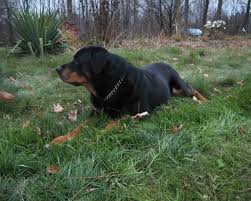


Dog Games Online Latest Dog Images Photos Pictures Wallpapers 2013
Dog Games Online Latest Dog Images Photos Pictures Wallpapers 2013
Dog Games Online Latest Dog Images Photos Pictures Wallpapers 2013
Dog Games Online Latest Dog Images Photos Pictures Wallpapers 2013
Dog Games Online Latest Dog Images Photos Pictures Wallpapers 2013
Dog Games Online Latest Dog Images Photos Pictures Wallpapers 2013
Dog Games Online Latest Dog Images Photos Pictures Wallpapers 2013
Dog Games Online Latest Dog Images Photos Pictures Wallpapers 2013
Dog Games Online Latest Dog Images Photos Pictures Wallpapers 2013
Dog Games Online Latest Dog Images Photos Pictures Wallpapers 2013
Dog Games Online Latest Dog Images Photos Pictures Wallpapers 2013

No comments:
Post a Comment